Avoiding motorcycle accidents
with
defensive riding
The best way for any rider to avoid having a motorcycle accident is to adopt what are known as 'defensive riding' techniques. These are a simple set of rules that enable you to ensure that you don't take unnessary risks on the road and make it as easy as possible for other road users to be aware of your presence.
At junctions
The most common motorcycle accident type involves another vehicle crossing the motorcyclist's path to enter or leave a junction or side road. Over 1 in 5 of all motorcycle accidents are of this kind, even though the motorcyclist has the right of way.- Think ahead when approaching junctions
- Be aware of vehicles waiting to enter a main road, or cross into a side road - be prepared to stop or take avoiding action
- Watch out for vehicles emerging from driveways
- Anticipate the presence of concealed entrances or exits
- Make sure that you are as visible as possible to other drivers, and that you do not ride too close to the vehicle in front
- Choose appropriate speeds on approaches to junctions, if you are moving too quickly an emerging vehicle may not have time to see you coming
When overtaking
1 in 5 of motorcycle accidents involve overtaking other vehicles. Even more accidents involve dodging in and out of slow moving traffic. The commonest accident type was when the overtaken vehicle turned right as a motorcyclist was overtaking.- Always be as visible as possible to other drivers
- Be prepared for the possibility that you may not have been seen by the other driver
- Avoid overtaking near side roads or take extra care when doing so
- Watch out for oncoming vehicles which may suddenly turn across your path
At bends
1 in 4 of motorcycle accidents occur on bends, often because the rider has to 'go wide' in order to compensate for excessive speed.- Ensure your speed is slow enough to negotiate the bend without losing control, especially in wet or icy conditions
- Look ahead and never take risks on blind bends where you don't know what may be around the corner
If you have been injured in a motorcycle accident that was not your fault, you may be entitled to claim compensation. For free help and advice please call us on 02392 484 244 and one of our experienced claims advisors will be happy to assist you.
No need to claim on your insurance
Anyone who has been involved in a road accident has the right to choose who repairs their vehicle. If you were responsible for the accident you were involved in, the company that insures your vehicle would normally deal with your accident claim.
However if you were not at-fault for the accident, you can choose to either claim on your own insurance policy or make a claim independently of your insurer. To find out more call 02392 484 244 and we will be happy to help.
We and our partners help thousands of people make independent accident claims. Our service enables motorists to get the help and assistance they need to resolve their accident related issues, with the costs being recovered directly from the at-fault driver on your behalf.
However if you were not at-fault for the accident, you can choose to either claim on your own insurance policy or make a claim independently of your insurer. To find out more call 02392 484 244 and we will be happy to help.
We and our partners help thousands of people make independent accident claims. Our service enables motorists to get the help and assistance they need to resolve their accident related issues, with the costs being recovered directly from the at-fault driver on your behalf.
No excess to pay
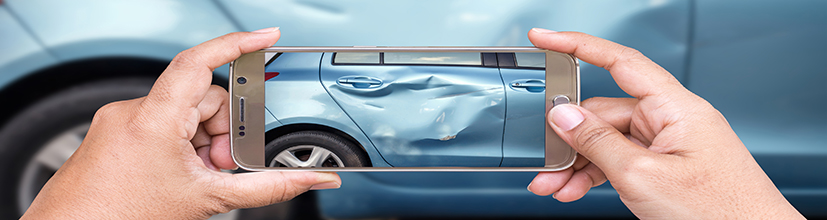
Unfortunately even if an accident was not your fault, your insurer will almost certainly require you to pay your excess before any repair is started on your car.
This money should of course be recovered by an insurer at a later date, but with our service - you do not have to pay it at all.
By using our independent claims service, you are not making a claim on your insurance policy and so you will have no excess to pay.
This money should of course be recovered by an insurer at a later date, but with our service - you do not have to pay it at all.
By using our independent claims service, you are not making a claim on your insurance policy and so you will have no excess to pay.
Receive a comparable replacement hire vehicle
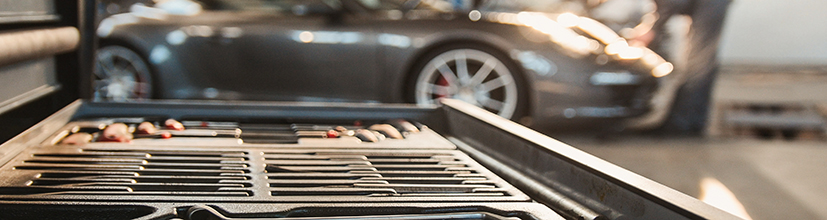
Not all insurance policies will include a replacement hire-car for you to use if yours is damaged and unroadworthy. In fact it is typically an 'optional extra' on your policy.
Other policies may offer a 'courtesy car' but this is often just a 'basic' saloon or hatchback which may not be suitable for your needs.
Car Call and its partners will provide a comparable replacement vehicle as part of our service. This means we will endeavour to supply a hire-vehicle that similar to your own in terms of its type, make and engine size.
So whether you drive a small hatchback or a prestige sports car, we will look to provide a similar hire-vehicle that suits your needs.
Other policies may offer a 'courtesy car' but this is often just a 'basic' saloon or hatchback which may not be suitable for your needs.
Car Call and its partners will provide a comparable replacement vehicle as part of our service. This means we will endeavour to supply a hire-vehicle that similar to your own in terms of its type, make and engine size.
So whether you drive a small hatchback or a prestige sports car, we will look to provide a similar hire-vehicle that suits your needs.

Manufacturer approved vehicle repairs
If you have been involved in a car accident, the last thing you want to have to worry about is the quality of the repairs to your car. We have a UK wide network of partner approved Accident Repair Centres available to all of our customers.
Many of our accident repair centres are have manufacturer approvals for specific brands, so if you require a manufacturer approved repair centre, simply tell your personal claim handler and they will ensure your vehicle goes to an approved repairer.
Want you vehicle repaired by a specific garage? No problem, we can alternatively use a repairer that you specify.
Many of our accident repair centres are have manufacturer approvals for specific brands, so if you require a manufacturer approved repair centre, simply tell your personal claim handler and they will ensure your vehicle goes to an approved repairer.
Want you vehicle repaired by a specific garage? No problem, we can alternatively use a repairer that you specify.
Legal Assistance
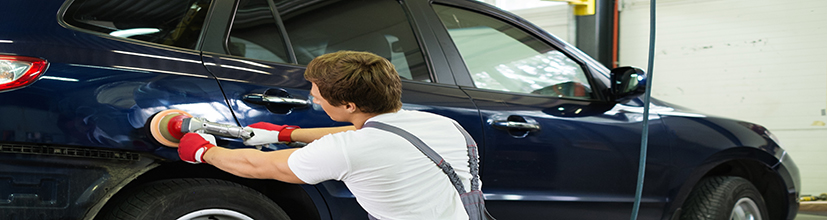
Our partner solicitors provide legal assistance as part of our service. They specialise in motor claims related issues, so you can be assured of the best possible advice and assistance.
They issues they can assist you with include:
They issues they can assist you with include:
- Recovery of the cost of the replacement hire-vehicle
- Recovery of the cost of uplifting your damaged vehicle
- Recovery of all repair costs
- Recovery of the cost of damaged of personal items
- Seeking financial compensation for an injury
